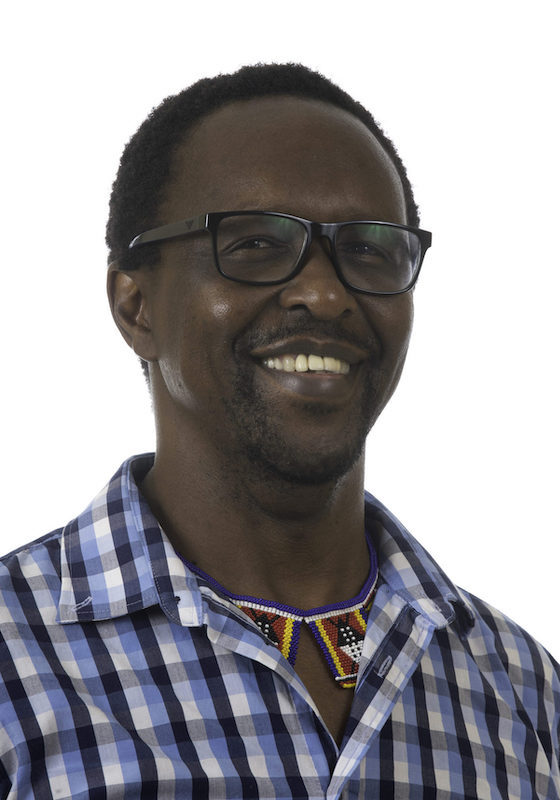
Lecture by Dr Trevor Ngwane, University of Johannesburg, South Africa
Wednesday 26 June, 14:00 – 15:30 in RW S 59, University of Bayreuth.
The anti-apartheid movement was arguably one of the greatest international solidarity movements in history.
It was driven by the dream of a world that could be free from all forms of oppression and exploitation; a collective desire to demarcate politically and morally the limits of what could be tolerated in how states treat people. Many grievances, needs and demands were thrown up during the struggle. Ultimately, it all boiled
down to a vision of making a safe, comfortable life to be ordinary for all people. Thirty years after the demise of apartheid, many South Africans are asking themselves fundamental questions about the society they live in. Has the dream become reality, a chimera or a nightmare? The May 2024 general elections raised these questions sharply. For millions of people in South Africa, everyday life remains uncertain, unstable and insecure. It has become ordinary for working-class people to live amid high levels of poverty, unemployment, inequality, crime, gender-based violence, and lack of basic services. Tragically, the normalization of these dangerous living conditions has further eroded, stunted and distorted the vision and possibility of a comfortable life for all.
BACKROUND
Trevor Ngwane is an activist scholar with a long history of activism in various civil society organisations including trade unions, community organisations and political formations in South Africa from the days of apartheid to the present. He obtained his MA degree in Development Studies at the University of KwaZuluNatal and his PhD in Sociology at the University of Johannesburg (UJ), in South Africa. He co-edited The
Fourth Industrial Revolution: A Sociological Critique (2021); and co-edited Urban Revolt: State Power and the Rise of People’s Movements in the Global South (2017); his sole-authored book is Amakomiti: Grassroots Democracy in South African Shack Settlements (2021). He is a senior lecturer at the UJ Department of Sociology and outgoing director of the UJ Centre for Sociological Research and Practice. He was president of the South African Sociological Association in 2019–2021. He is a feminist and eco-socialist.
 ANTHROPOLOGY OF GLOBAL INEQUALITIES
Leave a comment